Get Loose Fill Insulation Service
Local contractors offer loose fill insulation services to improve energy efficiency, reduce noise, and enhance comfort in attics, walls, and crawl spaces.
Loose fill insulation services are a practical choice for property owners looking to improve energy efficiency and comfort within their buildings. This type of insulation can help reduce heating and cooling costs, enhance temperature regulation, and minimize drafts. Residents and property managers in the area often consider loose fill insulation when planning upgrades to their homes or commercial spaces, especially for attics, wall cavities, or hard-to-reach areas. Exploring local contractor options ensures access to experienced professionals who understand the specific needs of properties in the community.
For those evaluating their insulation options, comparing local service providers can provide valuable insights into the scope and quality of work available. Property owners are encouraged to review the services offered by nearby contractors to find the right fit for their project goals. Continuing to explore these options can lead to informed decisions about upgrading insulation systems, helping to create more comfortable and energy-efficient spaces.
- Attic insulation installation - needed when upgrading or restoring insulation to improve energy efficiency.
- Wall cavity filling - appropriate for sealing gaps and reducing heat transfer between rooms.
- Basement insulation services - useful when insulating below-grade spaces to prevent moisture and heat loss.
- New construction insulation - required for builders seeking to meet building codes and improve structure comfort.
- Existing home insulation upgrades - sought when homeowners want to enhance insulation performance and reduce utility bills.
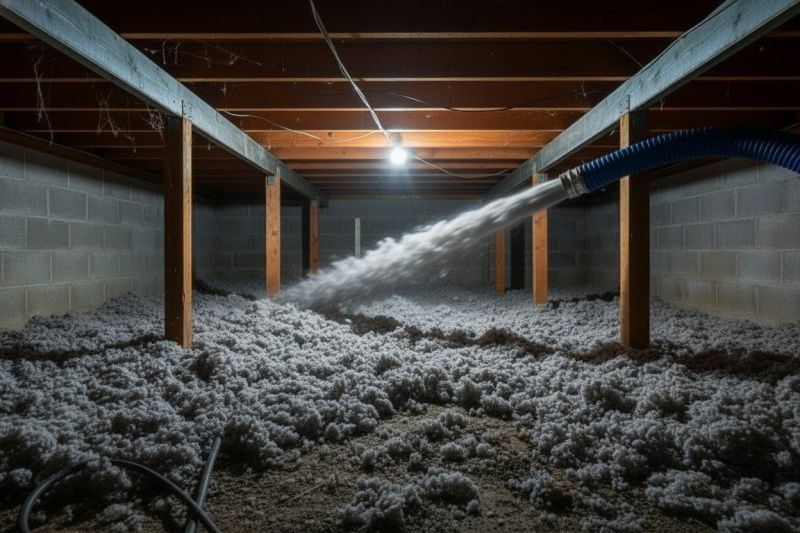
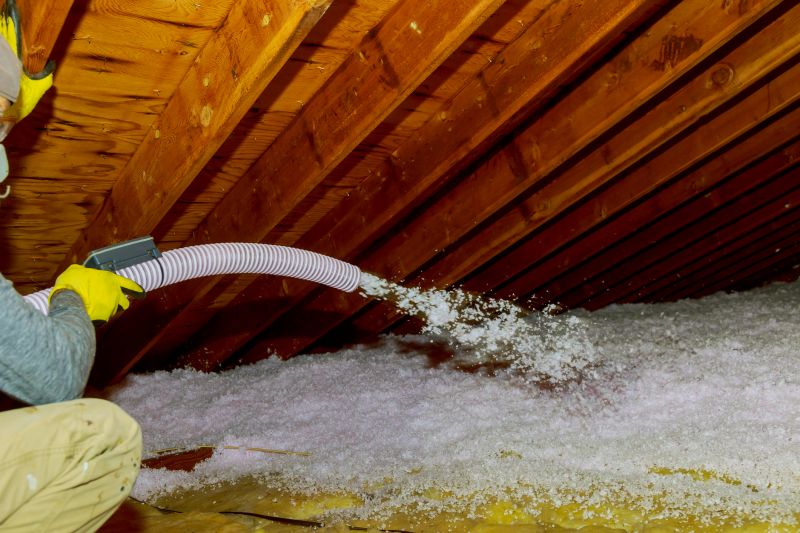
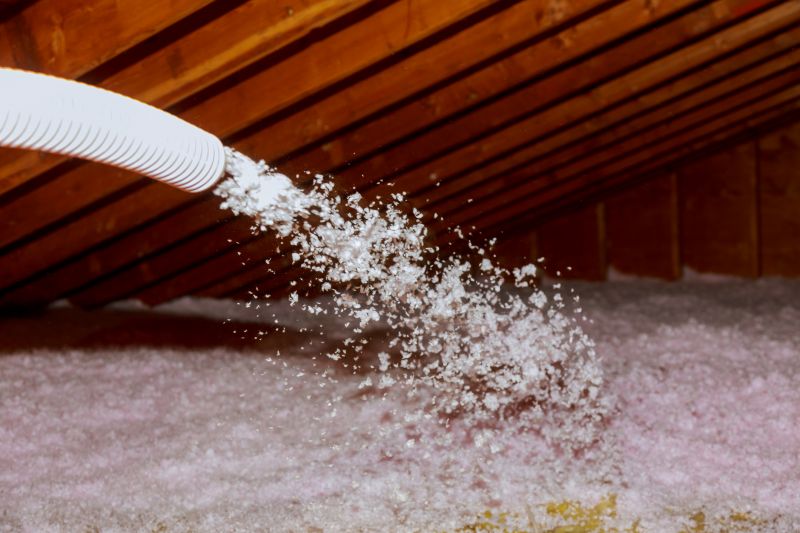
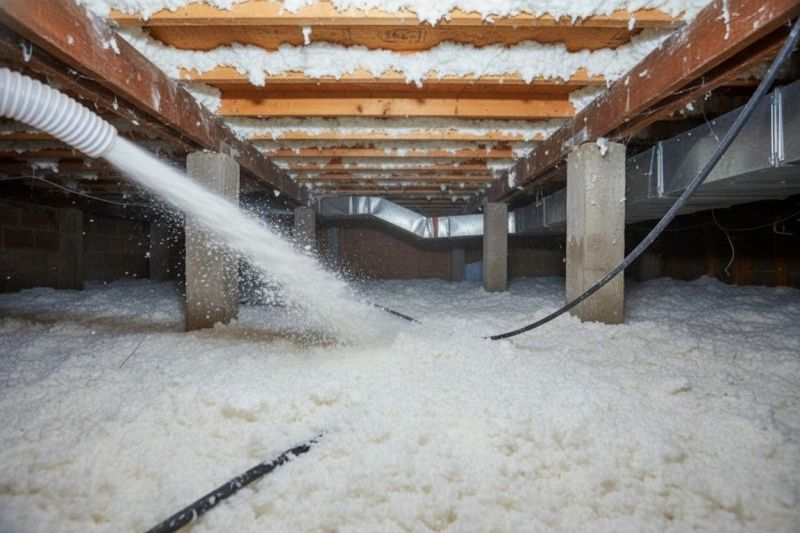
Loose fill insulation services involve the installation of lightweight, granular insulation material into attics, wall cavities, or other hard-to-reach spaces within a property. This type of insulation is typically made from materials such as fiberglass, cellulose, or mineral wool, which are blown or poured into the desired areas using specialized equipment. The process helps to fill gaps and voids, creating a continuous barrier that reduces heat transfer and improves overall energy efficiency. Homeowners seeking an effective way to enhance comfort and lower energy bills often turn to local contractors who specialize in loose fill insulation installation.
This service addresses a range of common problems related to poor insulation performance. It can help eliminate drafts, uneven temperatures, and cold spots in the home. Loose fill insulation is particularly useful for upgrading existing insulation that has settled or become less effective over time. It also helps prevent issues like ice dams in winter, which occur when warm air escapes through the attic and melts snow on the roof. By improving insulation, homeowners can create a more consistent indoor climate and reduce strain on heating and cooling systems.
Properties that typically benefit from loose fill insulation include older homes with limited or uneven existing insulation, as well as new constructions seeking high-performance thermal barriers. Attics are the most common application, but this service can also be used to insulate wall cavities during renovations or additions. Commercial buildings and multi-family residences may also utilize loose fill insulation for energy upgrades or soundproofing purposes. Local service providers are equipped to assess the specific needs of each property and recommend the most suitable type and amount of insulation.
Homeowners who notice rising energy costs, drafts, or uneven indoor temperatures may find loose fill insulation services to be a practical solution. This type of insulation is often chosen when access to spaces is limited or when a quick, effective upgrade is needed. By working with experienced local contractors, property owners can ensure that the insulation is installed correctly and efficiently, leading to improved comfort and energy savings. Contacting local pros for an assessment can help determine if loose fill insulation is the right choice for a specific property’s needs.
The overview below groups typical Loose Fill Insulation Service projects into broad ranges so you can see how smaller, mid-sized, and larger jobs often compare in your area.
In many markets, a large share of routine jobs stays in the lower and middle ranges, while only a smaller percentage of projects moves into the highest bands when the work is more complex or site conditions are harder than average.
Smaller Repairs - Typical costs for small insulation touch-ups or minor filling range from $250 to $600. Many routine jobs fall within this middle range, but prices can vary based on the size of the area and accessibility.
Partial Insulation Replacement - Replacing sections of loose fill insulation generally costs between $1,000 and $2,500. Larger, more complex projects tend to push costs into the higher end of this range, while simpler jobs stay toward the lower end.
Full Attic Insulation Replacement - Complete attic insulation replacement can range from $2,500 to $5,000 or more. Most projects in this category are on the higher end, especially when dealing with larger or difficult-to-access spaces.
Large or Complex Installations - Extensive or multi-room insulation projects can reach $5,000+ depending on size and complexity. These larger jobs are less common but are handled by local contractors equipped for high-volume or specialized work.
Actual totals will depend on details like access to the work area, the scope of the project, and the materials selected, so use these as general starting points rather than exact figures.
Attic Insulation Installation - local contractors who install various types of attic insulation also have the skills to apply loose fill insulation effectively for energy efficiency.
Crawl Space Insulation - professionals experienced in insulating crawl spaces often utilize loose fill materials to improve thermal performance and moisture control.
Wall Insulation Services - service providers that retrofit or add insulation to existing walls may use loose fill techniques to enhance insulation without extensive demolition.
Soundproofing Projects - local pros skilled in soundproofing often incorporate loose fill insulation to reduce noise transmission between rooms or from outside sources.
Attic Ventilation and Air Sealing - contractors who focus on attic ventilation also plan and execute insulation strategies, including loose fill insulation, for optimal airflow and energy savings.
Fireproofing and Insulation Upgrades - specialists who upgrade or add fire-resistant insulation materials often work with loose fill products to meet safety standards and improve thermal barriers.
When comparing service providers for loose fill insulation, it’s important to consider their experience with similar projects. Homeowners should look for local contractors who have a proven track record of handling insulation jobs comparable in scope and complexity to their own. An experienced pro will understand the nuances of proper installation, material selection, and best practices, which can contribute to a more effective and long-lasting result. Gathering information about a contractor’s past work with projects similar to yours can help ensure they have the practical knowledge needed to meet your specific needs.
Clear, written expectations are essential when evaluating local pros for insulation services. Homeowners should seek providers who can offer detailed descriptions of their recommended approach, including the scope of work, materials used, and any preparation or follow-up steps. Having these expectations documented helps prevent misunderstandings and provides a basis for comparing different contractors fairly. It’s also beneficial to request a written outline of the project plan, so that all parties are aligned on what will be done and what to expect throughout the process.
Reputable references and good communication are key indicators of a dependable service provider. Homeowners may ask potential contractors for references from previous clients who had similar insulation work completed. Contacting these references can provide insight into the contractor’s professionalism, reliability, and quality of work. Additionally, choosing local service providers known for clear and responsive communication can make the entire process more straightforward and less stressful. While the site serves as a resource to connect homeowners with local options, it’s ultimately the homeowner’s responsibility to verify these qualities to find a trusted partner for their insulation project.
Property owners use Loose Fill Insulation Service services for practical projects around their homes and businesses. This guide focuses on everyday jobs and straightforward project options.
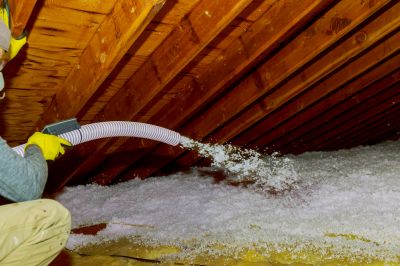
Loose fill insulation services are commonly sought after by property owners who want to improve energy efficiency in their homes or buildings. Whether upgrading existing insulation or insulating new construction, local contractors can help ensure proper installation to reduce heat loss and maintain comfortable indoor temperatures. Homeowners and landlords might look for these services when they notice drafts, rising utility bills, or when preparing a property for seasonal changes, seeking a straightforward way to enhance comfort and control energy costs.
Many property owners also turn to local service providers for loose fill insulation during renovation or repair projects. Insulation can be a key part of soundproofing efforts or addressing issues with moisture and mold prevention. Local contractors can assist with filling gaps in attic spaces, wall cavities, or hard-to-reach areas, helping to create a more consistent indoor environment. These services are often chosen for their effectiveness in upgrading insulation quickly and efficiently, especially in older buildings or homes that need a boost in energy performance.
What is loose fill insulation? Loose fill insulation is a type of insulation made from small particles or fibers that are blown or poured into wall cavities, attics, or other spaces to improve thermal performance.
How does loose fill insulation improve energy efficiency? By filling gaps and hard-to-reach areas, loose fill insulation helps reduce heat transfer, which can lead to lower energy consumption for heating and cooling.
What materials are used in loose fill insulation? Common materials include fiberglass, cellulose, and mineral wool, each offering different benefits for insulation applications.
Can loose fill insulation be added to existing walls? Yes, local contractors can install loose fill insulation in existing walls, often through small holes that are patched afterward.
What should I consider before choosing loose fill insulation? It’s important to assess the space, existing insulation, and specific needs, so local service providers can help recommend the best options for the property.
Improve attic insulation - Enhance the energy efficiency of a home by adding loose fill insulation to the attic space, helping to keep indoor temperatures stable.
Seal drafty areas - Fill gaps around vents, pipes, or electrical outlets to reduce air leaks and improve overall comfort inside the property.
Upgrade existing insulation - Boost thermal performance by supplementing or replacing worn or compressed loose fill insulation in walls or ceilings.
Prepare for weather changes - Increase insulation in vulnerable areas to better manage seasonal temperature shifts and reduce heating or cooling costs.
If you are thinking about Loose Fill Insulation Service for a property, this guide is meant to help you understand the work, the typical project types, and how different options might fit your plans.
When you are ready, you can use the quote form on this page to share a few details about your project. From there, local pros can review the basics and respond with options that match what you have in mind.